 SinoXiv
Scientists Map the Brain’s Hidden Wiring Using RNA Barcodes in Major Breakthrough
Abstract
Body
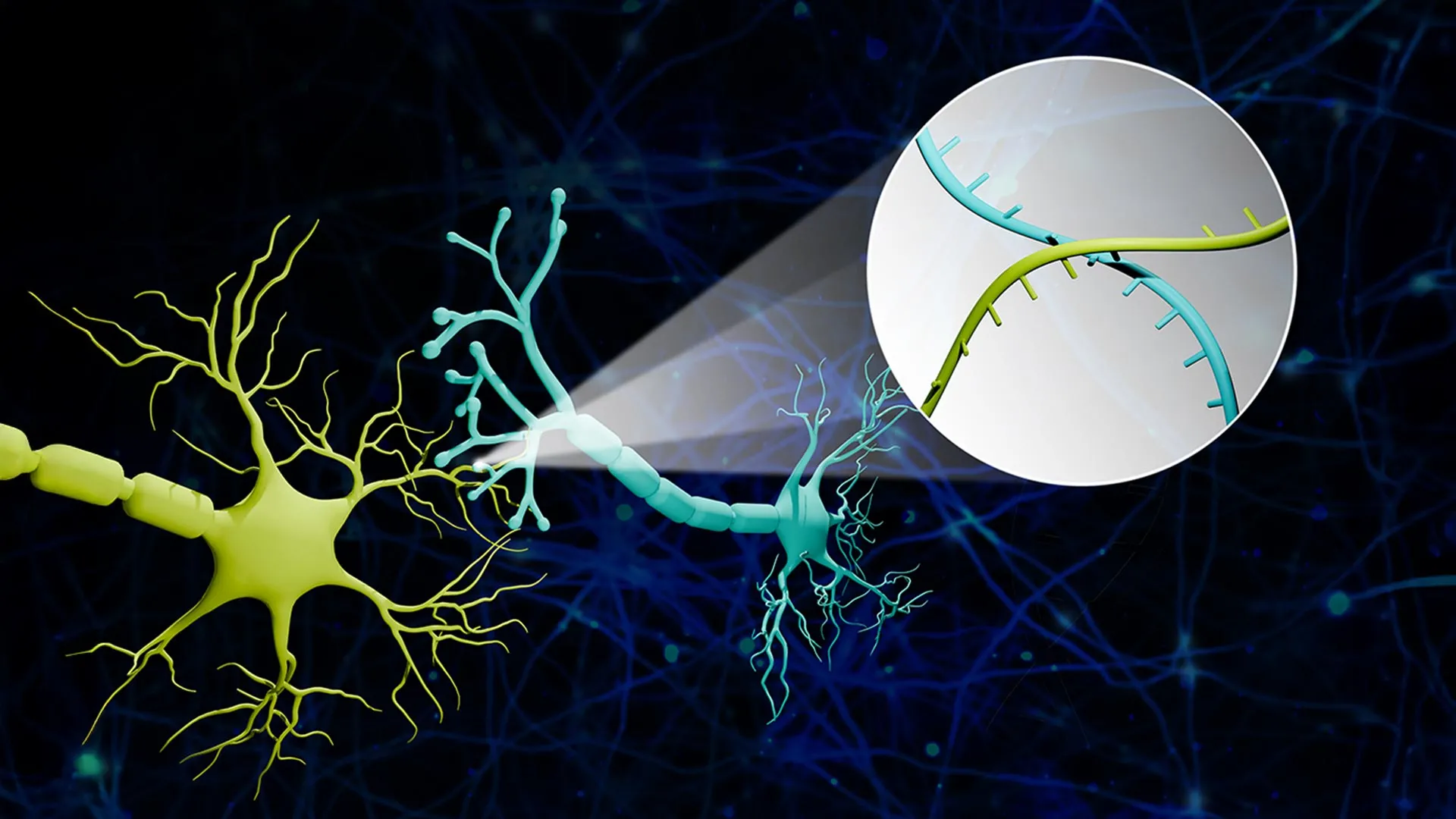
Researchers have developed a powerful new way to map how brain cells connect by tagging neurons with molecular "barcodes." Using this technique, they were able to chart thousands of neural connections in the mouse brain with remarkable speed and detail.
This method could deepen understanding of how complex brain networks are organized and how they function. It may also shed light on what goes wrong in neurological disorders and how diseases like Alzheimer's develop over time.
"When engineering a computer, you need to know the circuitry of the central processing unit. If you don't know how everything is wired together, you can't understand its function, optimize it or fix it when something breaks. We are approaching the brain the same way," said study leader Boxuan Zhao, a professor of cell and developmental biology at the University of Illinois Urbana-Champaign.
"Our technology enables simultaneous mapping of thousands of neural connections with single-synapse resolution -- a capability that doesn't exist in any current technology. It is directly applicable to understanding circuit dysfunction in neurodegenerative diseases and could provide a platform for developing circuit-guided therapeutic interventions," he said.
The findings were published in the journal >Nature Methods>.
>A Faster, More Detailed Way To Map the Brain>
Mapping the brain has traditionally been slow and difficult. Scientists often had to slice brain tissue into extremely thin sections, image them with microscopes and piece together the pathways manually. While newer sequencing-based tools can label many neurons at once, they usually show where a neuron extends rather than identifying the exact cells it connects with at the synapse, Zhao said.

